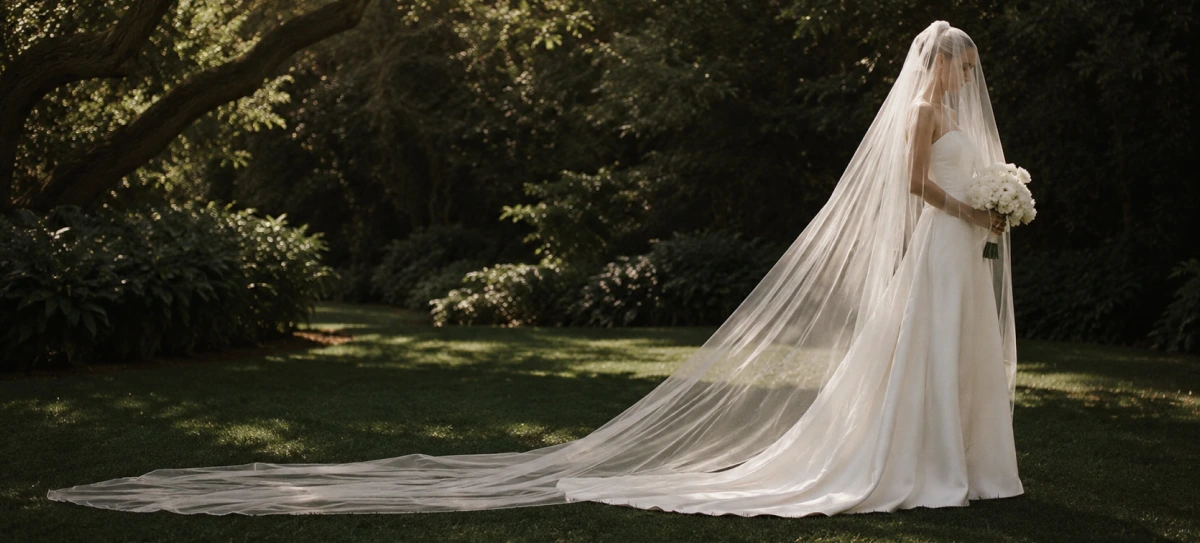
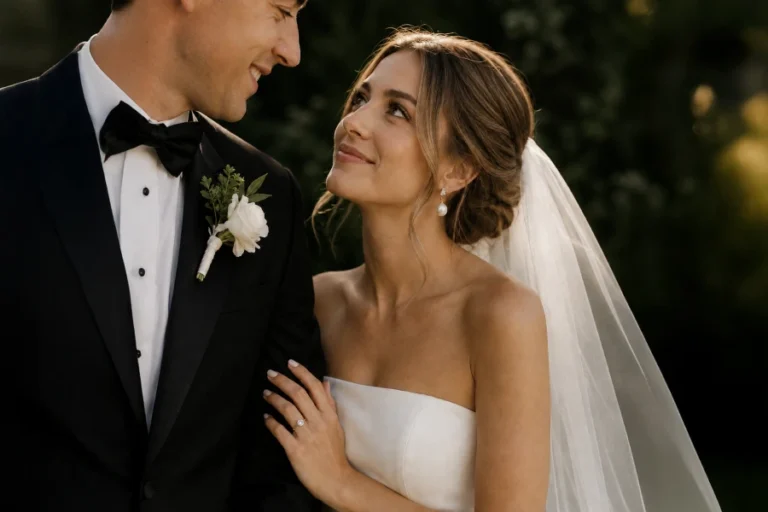
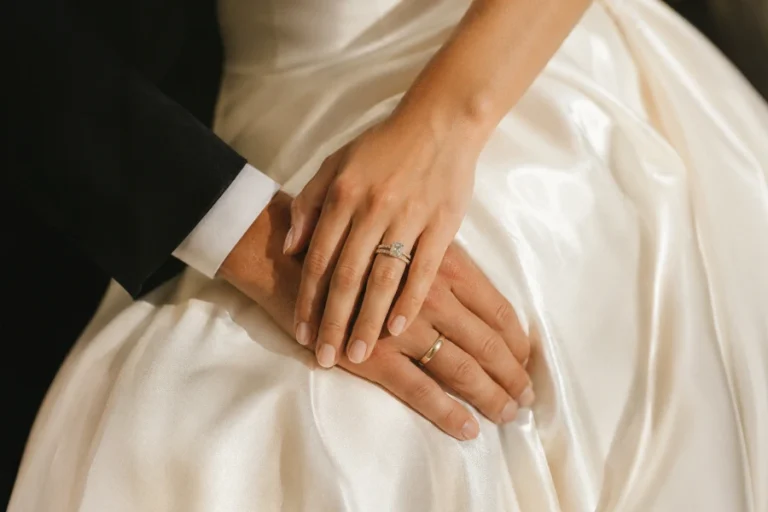
Wedding style direction becomes important when a couple has plenty of inspiration but no clear visual thread connecting the pieces. Saved images can look beautiful alone, yet they may fight each other once venue architecture, season, lighting, flowers, attire, stationery, and budget enter the conversation. A defined direction helps the wedding feel intentional without forcing every detail to match exactly. It also gives couples a calmer way to say no when attractive ideas do not support the event they are actually creating. Instead of choosing decor one item at a time, couples can make visual decisions from a shared mood, palette, texture story, and level of formality. This approach keeps the celebration polished while still leaving room for personality, restraint, and practical choices.
Why Wedding Style Direction Starts With Mood Words
Mood words help translate scattered inspiration into a direction that vendors and family members can understand quickly. Words such as intimate, garden-like, editorial, coastal, candlelit, modern, relaxed, or romantic begin to narrow the feeling before colors and props take over. A cohesive wedding vision process can help couples select language that reflects the venue, season, guest experience, and emotional tone they actually want. When the words feel specific, visual choices become easier to evaluate. They create a shared vocabulary that keeps conversations focused when opinions, trends, and vendor suggestions start expanding. A detail either strengthens the feeling, distracts from it, or belongs in another celebration entirely.
How Wedding Style Direction Reads the Venue Honestly
The venue already has a visual personality, and style decisions work best when they respond to that reality instead of pretending it does not exist. A ballroom, garden, loft, barn, museum, beach club, or family property will influence scale, lighting, texture, color, and movement long before decor arrives. Using a realistic style planning method helps couples notice what the room supports naturally and what would require expensive correction. This does not mean the venue controls every creative decision. It means the design becomes stronger when it works with the space rather than spending energy hiding it.
Build a Visual Thread Beyond Color
Color is useful, but a wedding style becomes more sophisticated when texture, light, scale, shape, and repetition also support the same mood. Two weddings can share a blush palette and still feel completely different depending on linens, flowers, paper, candles, furniture, and dress code. Couples can create cohesion by repeating certain materials or shapes in subtle ways instead of matching every element literally. For example, a soft linen texture, curved stationery shape, or warm candlelight cue can reappear quietly across the day. This method helps the celebration feel layered rather than over-coordinated. It also gives vendors more useful direction, because they understand the atmosphere rather than receiving only a handful of color swatches.
Where Wedding Style Direction Protects the Budget
Budget pressure often increases when couples keep adding beautiful details that do not serve the same visual purpose. A defined direction makes editing easier because every possible purchase can be compared against the overall mood, venue reality, and guest experience. A style editing framework can help couples decide where beauty will have the most impact and where restraint will make the design feel cleaner. This is especially helpful when trends change mid-planning or new inspiration appears online. The strongest style choices usually come from consistency, not from collecting every attractive idea.
Share the Direction So Vendors Can Execute It
Vendors need clearer information than a folder of saved images, because they must translate the vision into flowers, food, lighting, rentals, paper, and timing. A concise style sheet can explain mood words, palette, textures, priorities, dislikes, venue notes, and examples of what should be avoided. This shared reference reduces vague conversations and helps each vendor understand how their work fits the larger event. It also makes approvals faster because the couple can judge samples, proposals, and substitutions against a documented direction. It can also prevent style drift when small decisions arise quickly. When everyone reads from the same visual direction, the wedding feels more cohesive even though many people help bring it together.
How Wedding Style Direction Leaves Room for Meaning
Wedding style direction works best when it supports the couple’s story rather than replacing it with a perfect mood board. The celebration should still feel connected to real people, meaningful places, family traditions, and choices that make guests feel welcomed. A clear visual system simply gives those personal touches a more thoughtful setting. The style becomes a frame for the relationship, not a performance designed only to photograph well. It protects the design from becoming crowded while allowing the most important details to stand out. Couples do not need a wedding that looks like every saved image at once. They need a direction that makes their own day feel beautiful, realistic, and emotionally consistent.