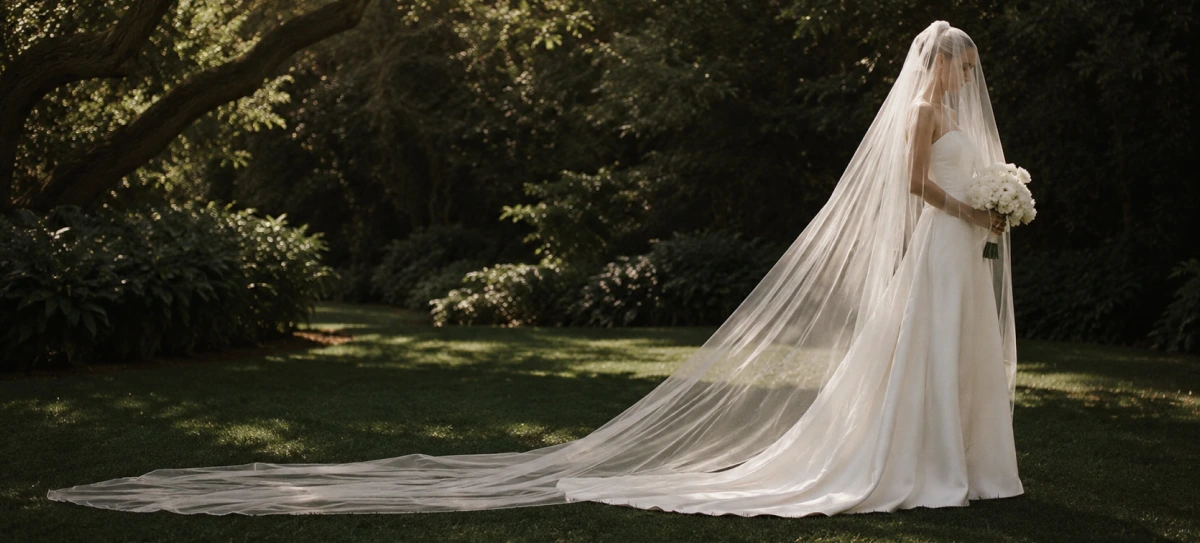
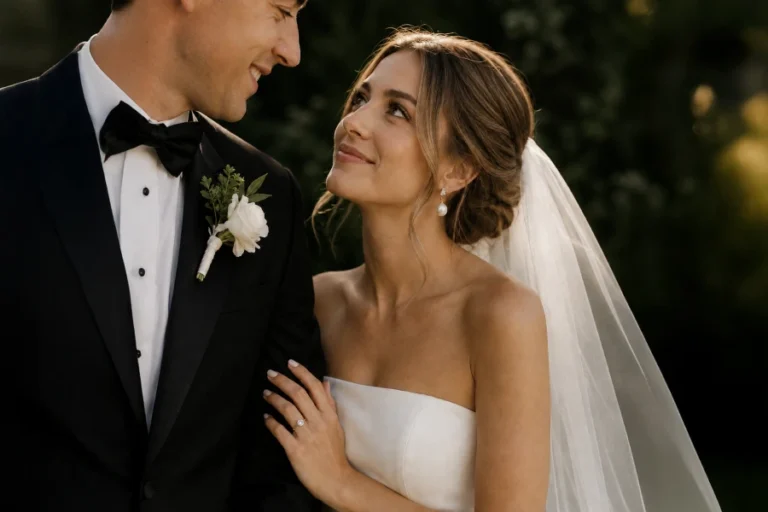
Wedding ceremony planning deserves more attention than many couples realize, because the ceremony carries the emotional center of the day and the tightest logistical sequence. It includes words, music, movement, roles, legal details, guest comfort, and timing in a relatively short span of minutes. When those pieces are planned separately, the ceremony can feel meaningful in intention but confusing in execution. Guests may sense the emotion, yet participants can still struggle with cues, placement, or the next visible step. A stronger approach begins by defining the purpose, tone, length, and participant responsibilities before rehearsing the movement. This creates a service that feels personal and present while still giving everyone enough clarity to follow the moment with confidence.
Why Wedding Ceremony Planning Begins With Meaning
The ceremony becomes easier to shape when the couple knows what the moment should communicate before choosing readings, rituals, or music. Some ceremonies feel warm and intimate, while others feel formal, spiritual, multicultural, minimalist, or centered on family participation. A ceremony structure resource can help couples connect purpose, tone, and required elements without making the service feel overbuilt. Once the meaning is clear, every element has a reason to be there. This makes it easier to choose readings, rituals, music, and language that feel personal rather than decorative. This prevents the ceremony from becoming a collection of nice ideas that do not quite belong together.
How Wedding Ceremony Planning Clarifies Roles
Ceremony roles need more detail than titles, because participants also need timing, positioning, text, pronunciation, and handoff instructions. Officiants, readers, attendants, musicians, witnesses, family members, and children may all need different levels of support depending on the ceremony style. Using a participant coordination process helps the couple explain who enters when, who stands where, and who handles important objects. This clarity reduces nervous questions during rehearsal and protects the emotional focus of the ceremony itself. It also reassures participants who want to help but feel uncomfortable asking repeated logistical questions. People feel more present when they are not quietly guessing what they should do next.
Plan Music, Space, and Movement Together
Music and movement should be planned as one sequence because the aisle length, venue layout, sound system, and walking order all affect pacing. A processional can feel rushed if the music cue starts too late, while a recessional can feel awkward if guests cannot see where the couple should go. Standing positions, microphone access, floral placement, chairs, and photographer sightlines also shape the experience. These details may sound technical, but they directly affect whether the room can follow the couple’s most important words. Couples should walk through these practical details before assuming the ceremony will simply unfold naturally. When the space supports the words, the entire service feels calmer, clearer, and easier to witness.
Where Wedding Ceremony Planning Supports Guest Comfort
Guests experience the ceremony through visibility, audibility, weather, seating, timing, accessibility, and the emotional cues they receive before the service begins. Even a short ceremony can feel strained if guests cannot hear the vows, understand where to sit, or manage outdoor conditions comfortably. A guest-focused ceremony plan helps couples think beyond the front of the aisle and consider the full room. Programs, ushers, shade, sound checks, reserved seating, and arrival timing can all protect the mood. Comfort does not make the ceremony less meaningful; it helps guests stay present for it. When people can see, hear, and settle into the space, they are more available for the emotional moment.
Keep Legal Details Visible Until They Are Finished
The ceremony may feel complete after the recessional, but practical responsibilities often continue through signatures, witnesses, filing, and document protection. These steps deserve a clear owner before the wedding day, because emotional excitement can make paperwork easy to misplace. Couples should confirm local requirements, identify who brings the license, and decide where documents go immediately after signing. They should also know whether certified copies or post-ceremony follow-up will be needed. Treating legal details as part of the ceremony plan prevents an important responsibility from becoming an afterthought. It also gives the couple one less practical worry after the ceremony has already carried so much emotional weight.
How Wedding Ceremony Planning Protects the Feeling
Wedding ceremony planning is not about making the moment rigid; it is about creating enough structure for meaning to land without confusion. When people know their roles, music supports movement, guests can hear, and paperwork has a plan, the couple can actually experience what is happening. The ceremony then becomes more than a beautiful opening to the reception. It becomes a shared transition that feels personal, audible, organized, and emotionally true. Couples do not need to script every breath. They need a clear shape that allows the most important words of the day to be heard.